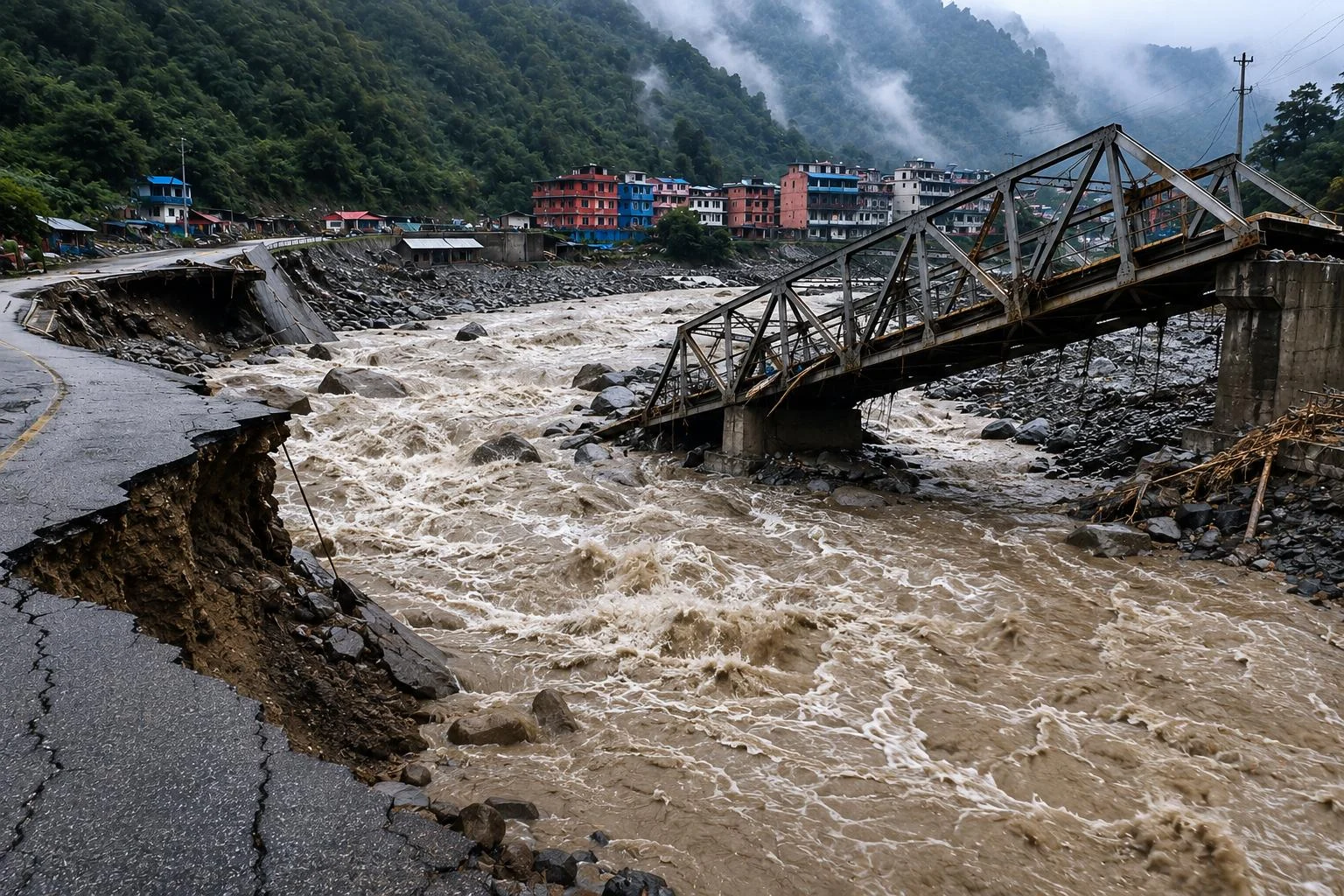
RASUWA FLASH FLOOD DISASTER 2026: A TRAGEDY THAT DESTROYED HOMES, INFRASTRUCTURE AND THOUSANDS OF LIVES IN NEPAL
Date of Disaster: 26 August 2026 (10 Bhadra 2083)
Location: Rasuwa District, Bagmati Province, Nepal
A Sudden Disaster in the Himalayan Region
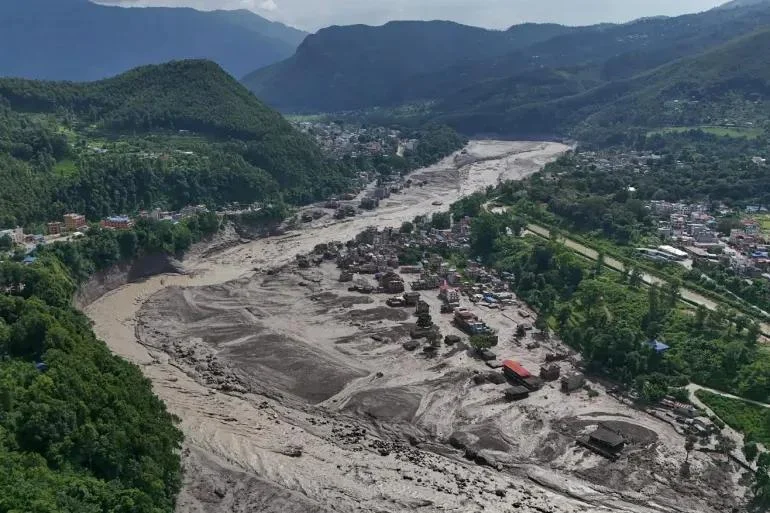
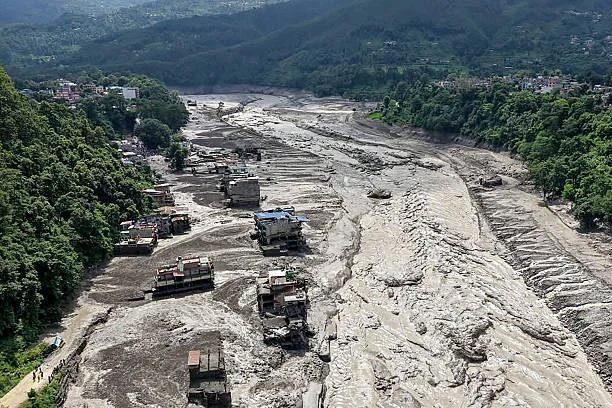
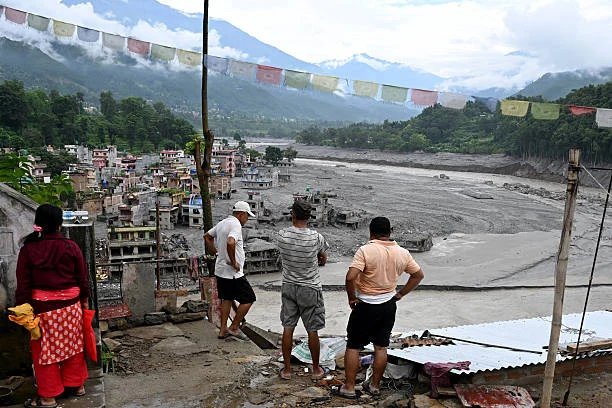
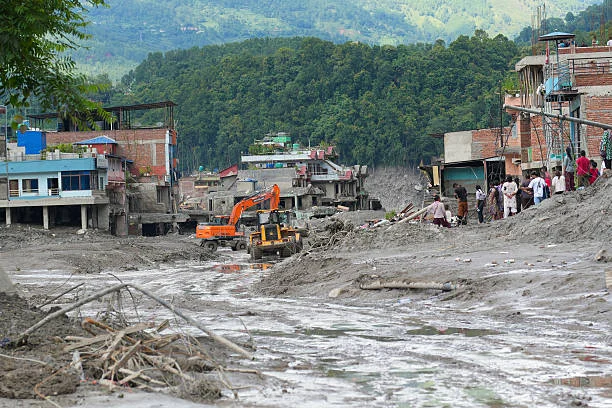
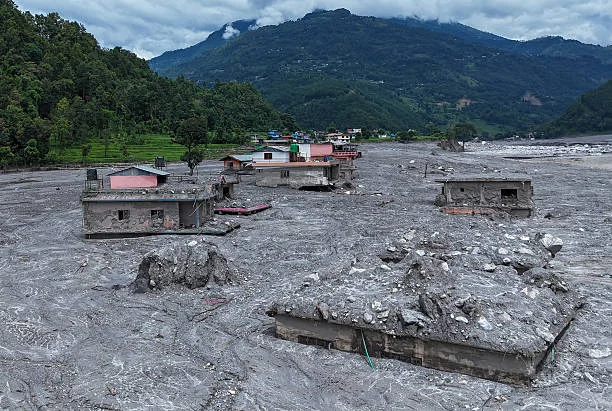
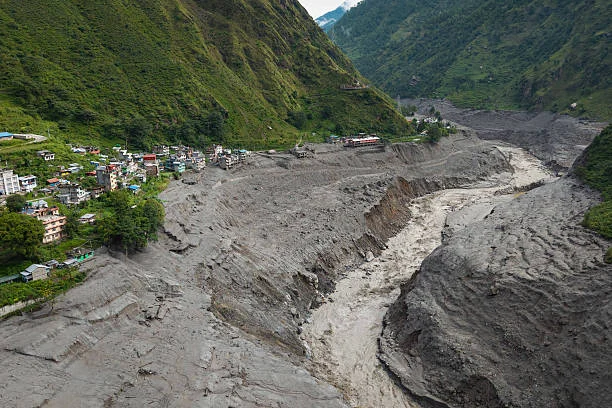
On Wednesday, 26 August 2026, a devastating flash flood struck Rasuwa District in northern Nepal, causing widespread destruction along the Bhote Koshi and Trishuli river corridors.
According to the United Nations’ humanitarian report, the disaster began at approximately 8:40 AM Nepal Standard Time. The Nepal Red Cross Society’s initial situation report recorded the sudden arrival of floodwaters at approximately 9:15 AM.
The flood originated in the upper Lhende River catchment in Tibet, China, near the Nepal–China border. An enormous mass of ice and rock reportedly fell into the river, temporarily blocking its natural flow. When this temporary blockage failed, a powerful surge of water, mud, rocks and debris rushed downstream into Nepal through the Bhote Koshi River.
The event was not simply a result of heavy monsoon rainfall. It was associated with a high-altitude ice-and-rock avalanche and a sudden release of impounded water.
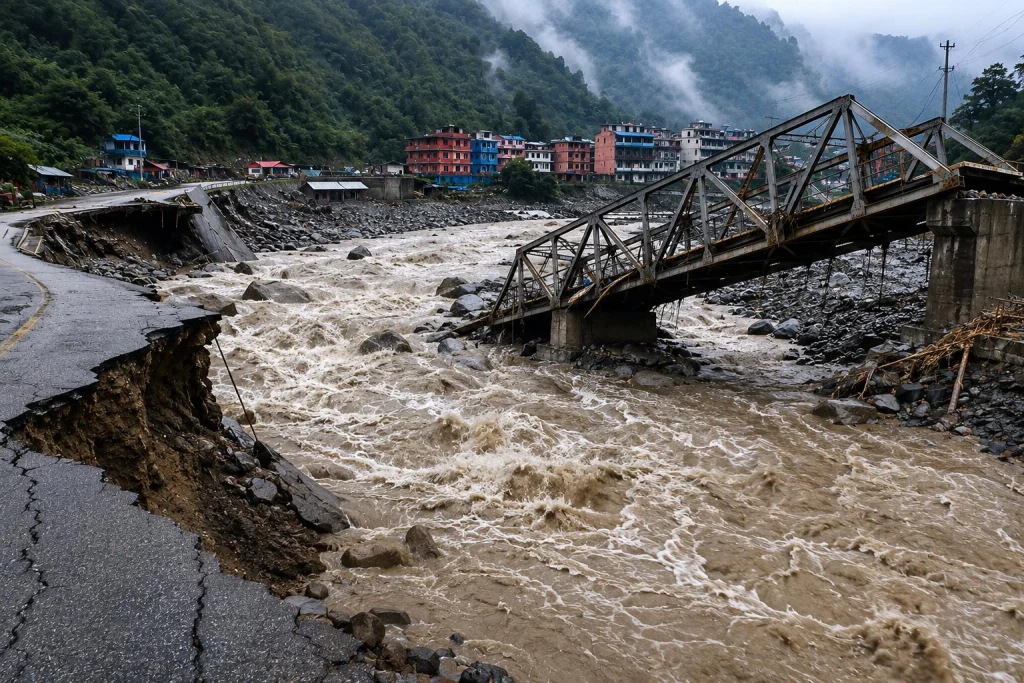
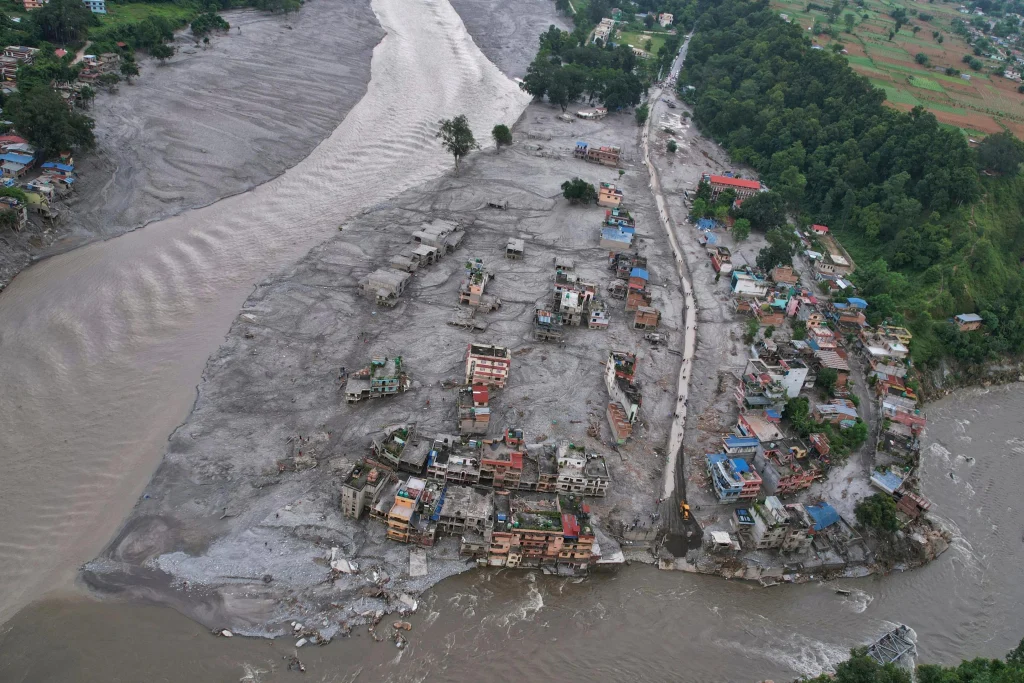
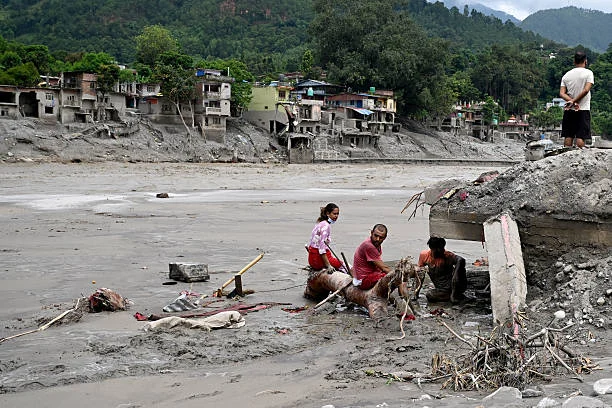
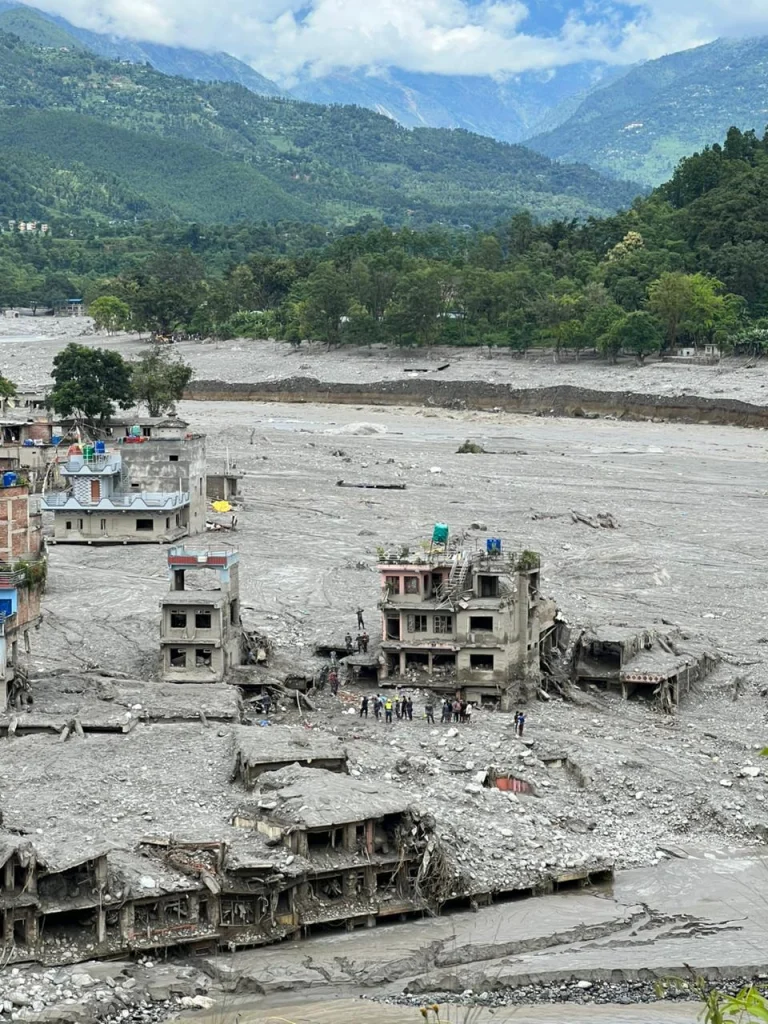
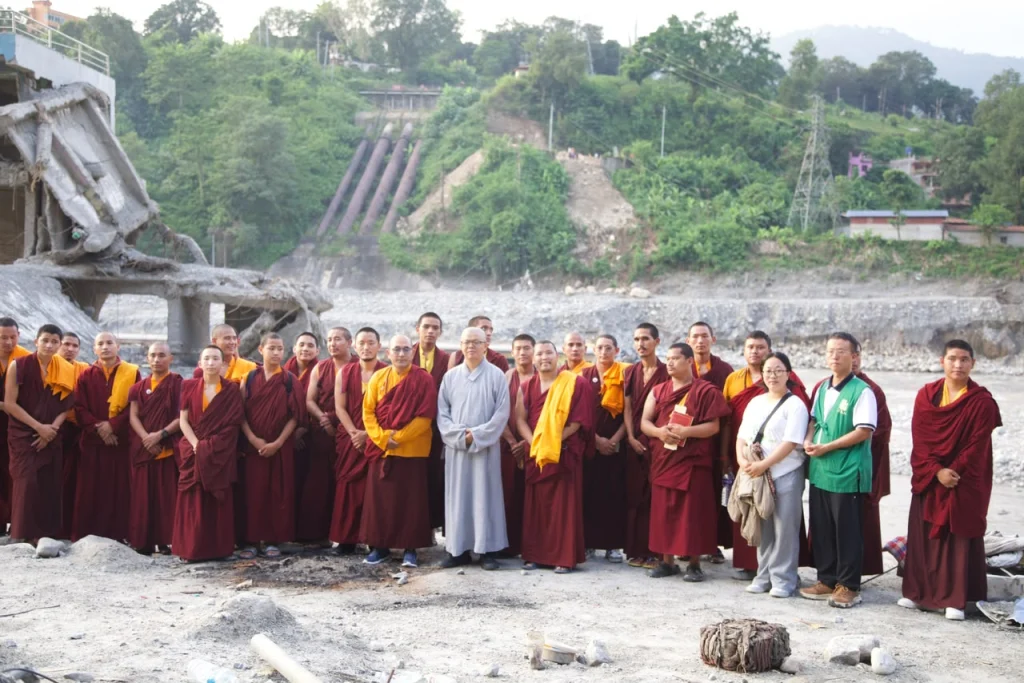
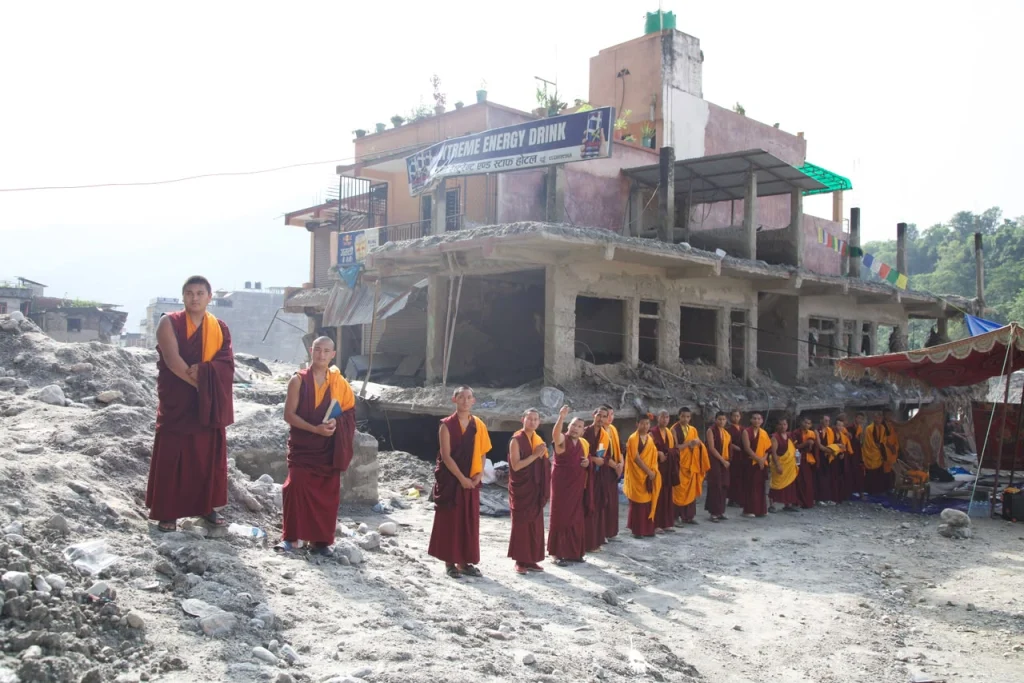
Within a short period, the flood destroyed settlements, residential buildings, roads, bridges, hydropower facilities and other essential infrastructure.
Areas Directly Affected by the Flood
1. Timure, Rasuwa
Timure, a settlement close to the Nepal–China border, was among the severely affected areas.
* Timure Market suffered extensive destruction.
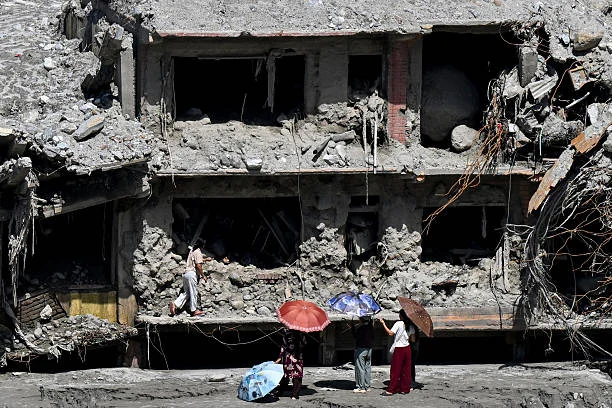
* Residential buildings and shops were swept away or badly damaged.
* The Timure Customs Office was destroyed.
* The local police infrastructure was severely affected.
* Roads and transport connections were disrupted.
* Local businesses and livelihoods were devastated.
2. Rasuwagadhi, Rasuwa
Rasuwagadhi, an important border crossing between Nepal and China, suffered extensive damage.
* Customs and border-related infrastructure was destroyed or severely damaged.
* Roads and transport facilities were washed away.
* The Nepal–China trade route was disrupted.
* Nearby settlements and riverbank infrastructure were affected.
3. Syafrubesi, Rasuwa
Syafrubesi, an important gateway to the Langtang region, was also severely affected.
* Residential buildings and commercial structures suffered damage.
* The local health post was destroyed.
* Police infrastructure was damaged.
* Access roads and essential services were disrupted.
* Hotels, tourism businesses and local livelihoods were affected.
4. Dhunche and Other Upper Rasuwa Settlements
Communities in upper Rasuwa experienced serious disruption.
Several settlements were left without normal road access, electricity and telephone services.
The United Nations reported that 14,461 people in Gosaikunda and Aamachhodingmo rural municipalities were without road access, electricity or mobile communication following the disaster.
Remote communities faced significant difficulties receiving food, drinking water, medical supplies and emergency assistance.
5. Mailung and Surrounding Areas, Rasuwa
Settlements along the river corridor experienced damage to residential property, roads and other infrastructure.
The flood also affected hydropower facilities and construction sites, putting workers and local communities at risk.
6. Betrawati, Nuwakot
The flood continued downstream through the Trishuli River system, affecting Betrawati and nearby communities.
* Residential settlements along the river were affected.
* Houses and agricultural land suffered damage.
* Roads and river crossings were disrupted.
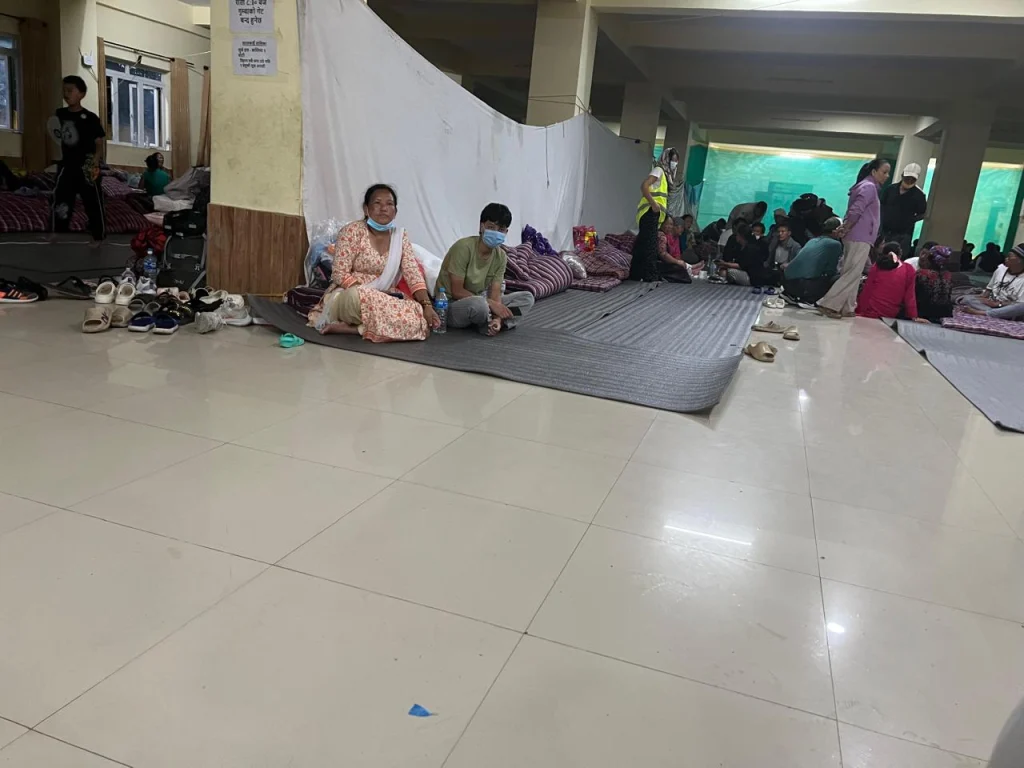
* Families were displaced and required emergency assistance.
7. Bidur and Devighat, Nuwakot
Bidur Municipality and Devighat were among the important downstream areas affected by the flood.
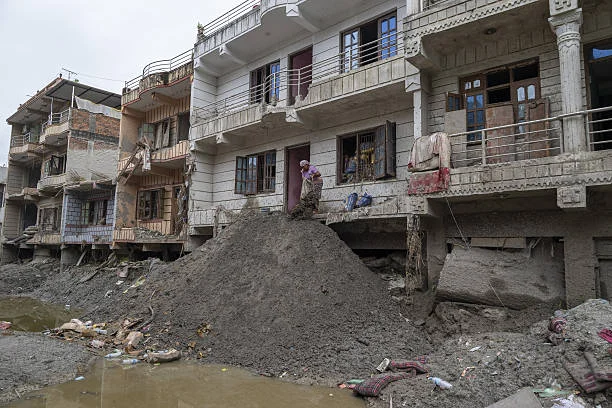
* Houses and settlements along the river corridor were destroyed or damaged.
* Agricultural land was covered with sand, mud and flood debris.
* Water supply infrastructure in Bidur suffered damage, including pipelines and wells.
* Thousands of residents experienced disruption to essential services.
The United Nations also reported approximately 2,500 houses fully or partially damaged in Nuwakot in its September humanitarian assessment.
8. Dhading and Other Downstream Communities
The flood continued through the Trishuli River corridor, affecting communities in Dhading and other downstream districts.
Galchhi, Gajuri and Benighat Rorang were among the municipalities included in the wider affected-area assessment.
The extent of damage varied between settlements, and individual village-level damage figures were still being assessed.
The flood’s effects extended further downstream towards Gorkha, Tanahun, Chitwan and Nawalparasi.
Damage to Homes, Roads and Public Infrastructure
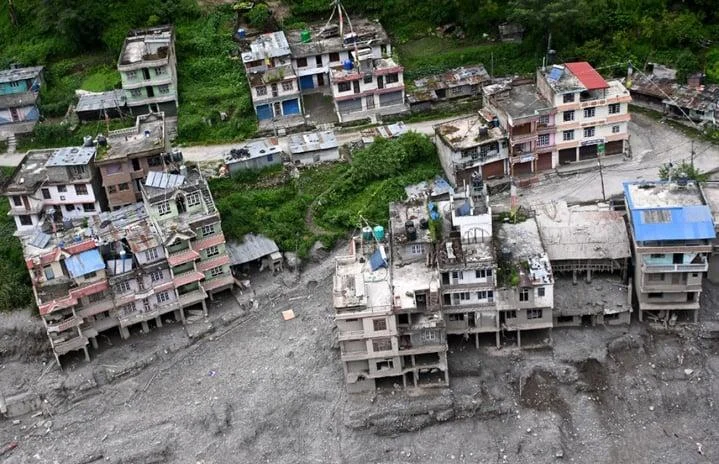
The flood caused enormous damage to private property and public infrastructure.
According to the preliminary damage assessment released by the Rasuwa District Administration Office on 5 September 2026:
* Approximately 1,500 private houses were destroyed.
* 28 government and public buildings were destroyed.
* Eight community schools and three private schools were affected.
* 14 offices of banks and financial institutions were damaged.
* One petrol station was damaged.
* Approximately 41 kilometres of roads were washed away.
* Six concrete bridges were destroyed.
* Eight Bailey bridges were destroyed.
* Ten suspension bridges were destroyed.
These figures represent the initial assessment for Rasuwa District, not the total damage across all affected districts.
Eight Hydropower Projects Severely Damaged
One of the most serious consequences of the disaster was the destruction of hydropower infrastructure.
According to the preliminary report released by the Rasuwa District Administration Office, eight hydropower projects were completely damaged.
The affected projects included:
1. Rasuwagadhi Hydropower Project – 111 MW
2. Bhote Koshi Hydropower Project – 120 MW
3. Chilime Hydropower Project – 20 MW
4. Langtang Khola Hydropower Project – 20 MW
5. Upper Trishuli-1 Hydropower Project – 216 MW
6. Mailung Khola Hydropower Project – 5 MW
7. Upper Trishuli-3A Hydropower Project – 60 MW
8. Trishuli-3B Hydropower Project – 37.3 MW
The destruction affected electricity generation, construction activities, workers, local employment and the national energy sector.
Agricultural Losses and Livelihoods
The disaster also caused substantial agricultural losses.
Fields were buried under sand, mud and rocks. Crops, farming equipment, livestock and food stocks were destroyed.
According to the United Nations’ preliminary assessment:
* Approximately 1,806 hectares of agricultural land were damaged.
* Around 7,686 metric tonnes of agricultural production were estimated to have been lost.
* More than 4,750 livestock and approximately 54,000 poultry birds were reported dead.
* Around 100 fishponds were damaged.
These losses created serious difficulties for families who depended on agriculture, livestock and fisheries for their livelihoods.
Impact on Tourism and Local Businesses
The flood severely affected tourism in the Langtang region.
Syafrubesi is an important starting point for visitors travelling towards Langtang Valley and other Himalayan destinations.
The destruction of accommodation facilities, roads, shops and other tourism-related infrastructure affected local businesses, guides, hotel operators, transport workers and families dependent on tourism income.
The disruption of the Rasuwagadhi border crossing also affected trade and transportation between Nepal and China.
Humanitarian Impact and Rescue Operations
The scale of the disaster required a large emergency response.
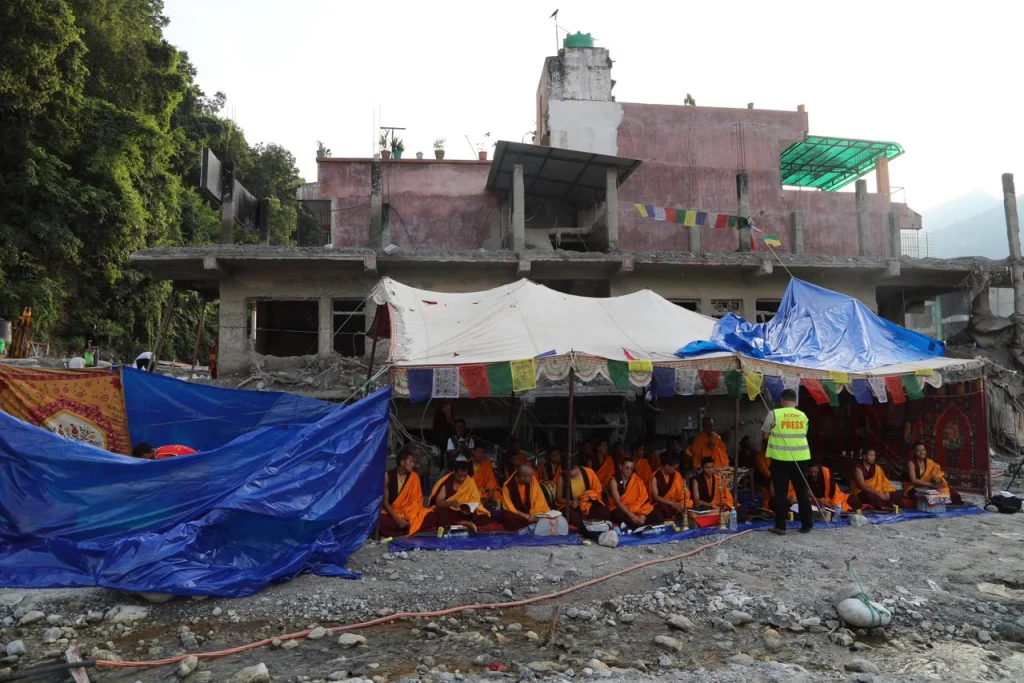
The Nepal Army, Nepal Police, Armed Police Force, Nepal Red Cross Society, local authorities and humanitarian organisations participated in search, rescue and relief operations.
Helicopters were used to reach isolated settlements and transport emergency supplies where roads and bridges had been destroyed.
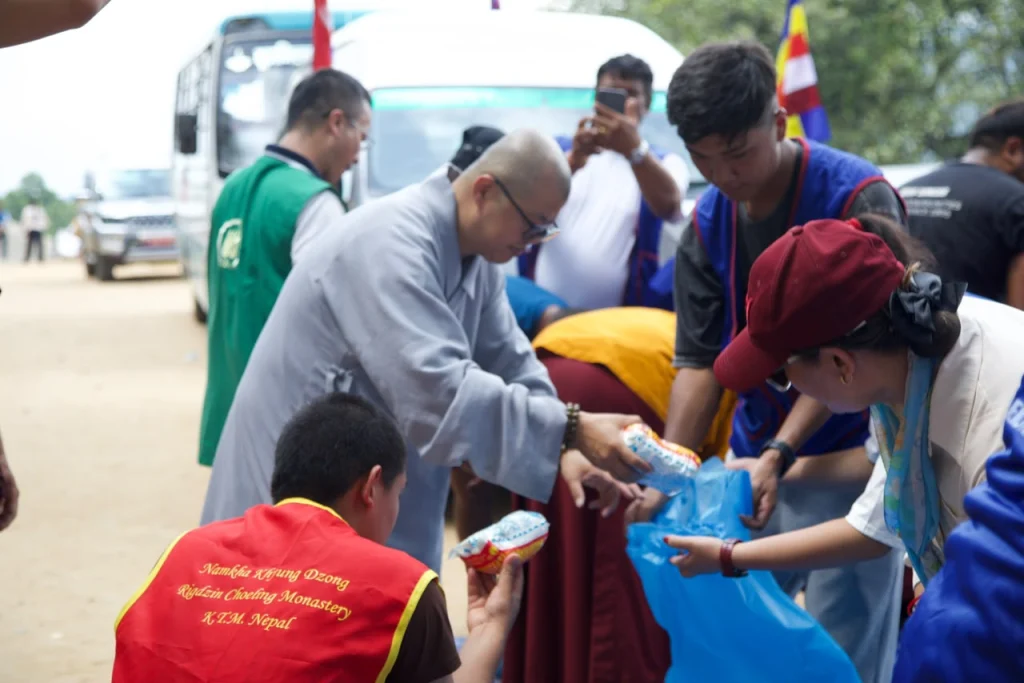
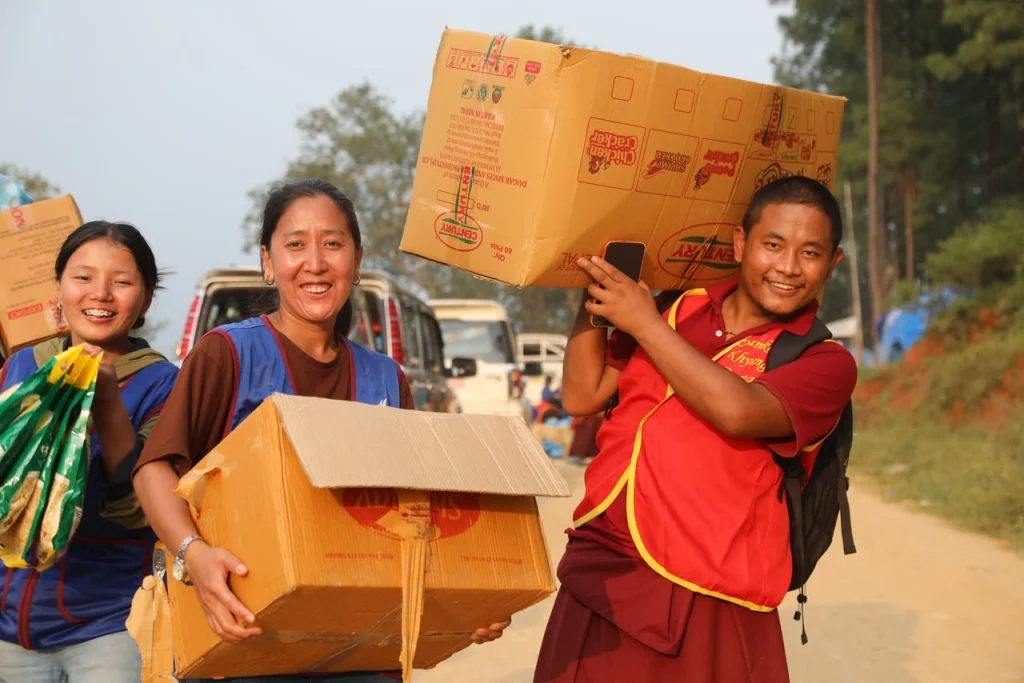
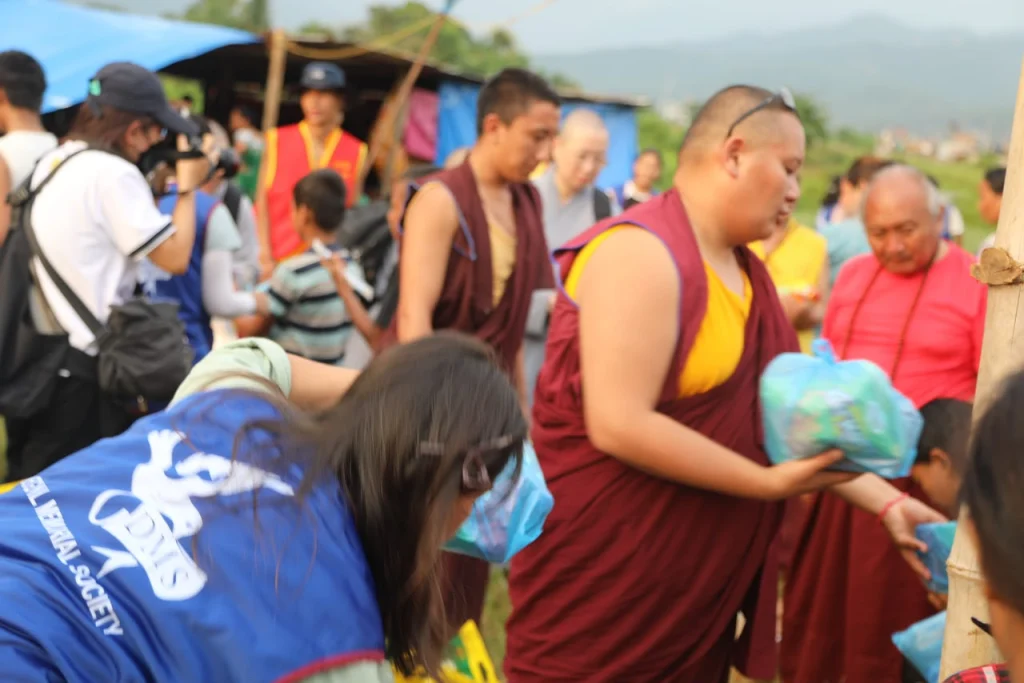
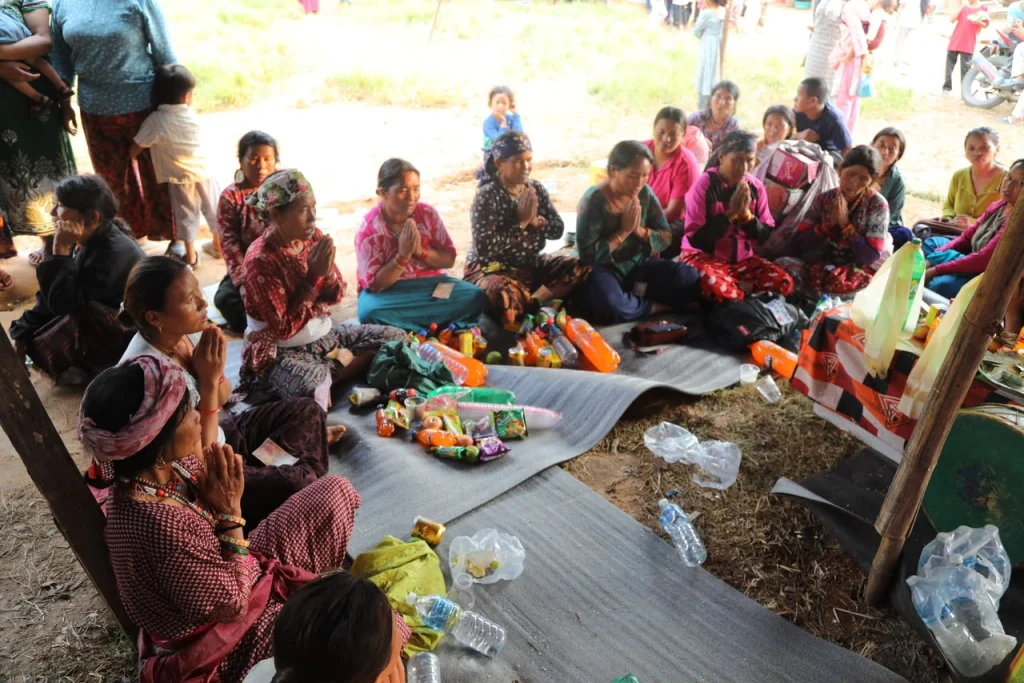
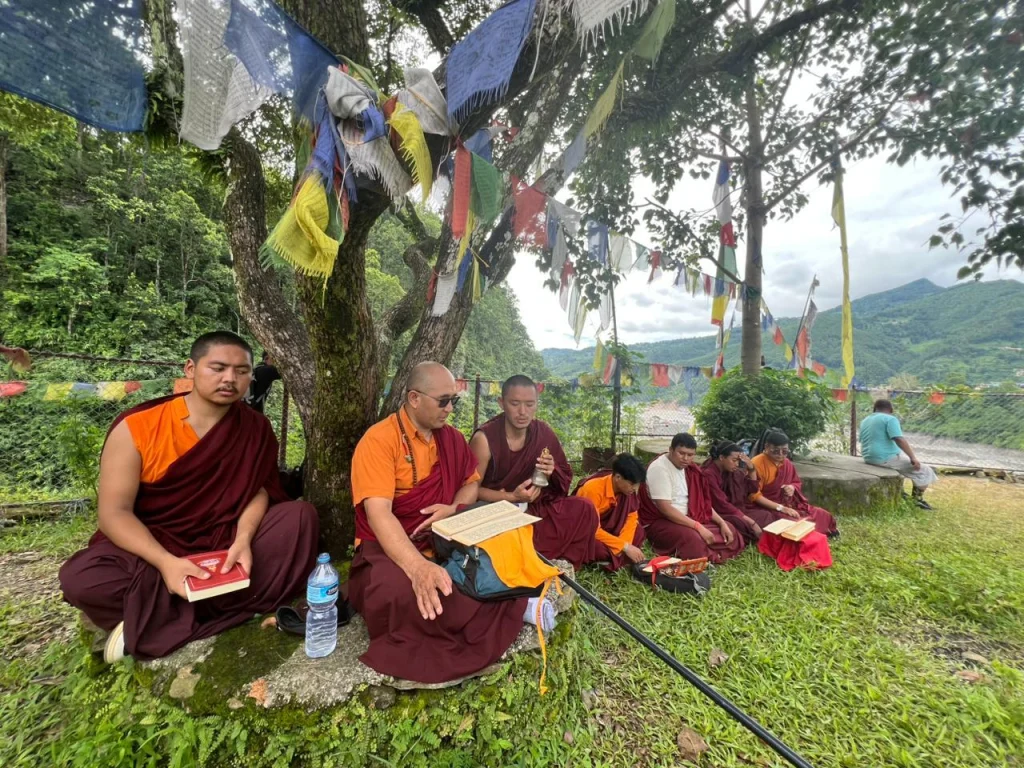
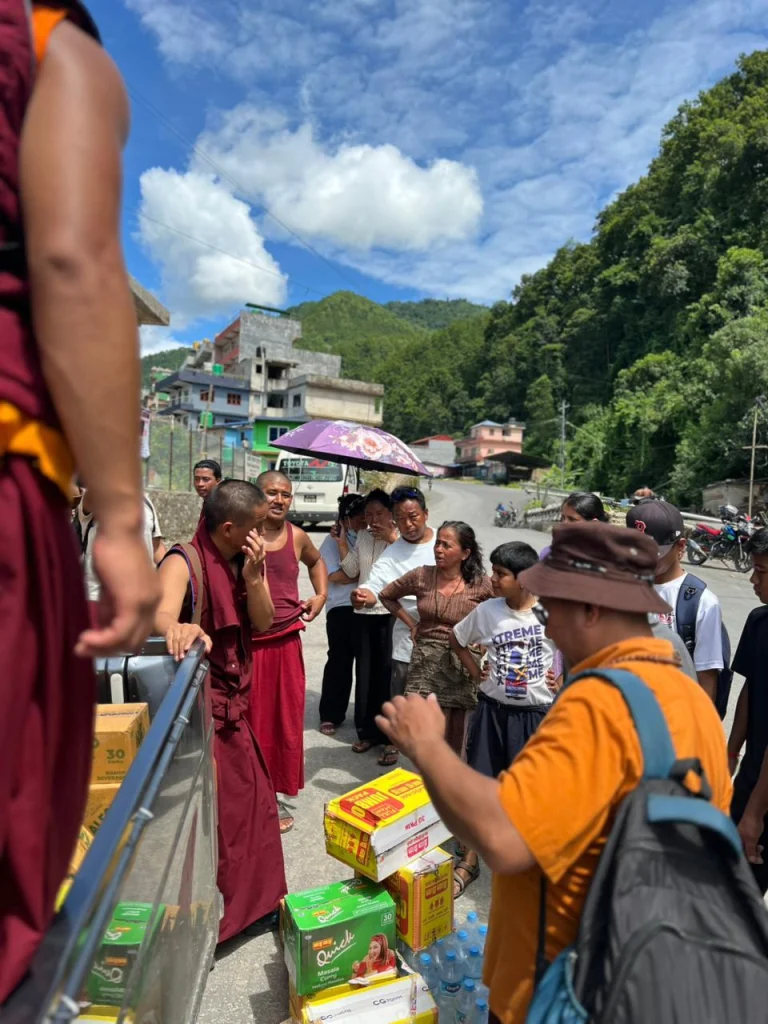
Food, drinking water, temporary shelter, medical assistance and other essential supplies were provided to affected communities.
According to the Nepal Red Cross Society’s Situation Update 16, published on 20 November 2026, the latest figures reported by the National Disaster Risk Reduction and Management Authority were:
* 1,457 people had lost their lives.
* 5,285 people remained missing.
* 13,795 people had been rescued.
* 112 bodies had been identified and handed over to their families.
These figures reflect the situation reported on 20 November 2026. Search, identification and recovery operations were still ongoing.
A Long Road to Recovery
The Rasuwa flash flood of 26 August 2026 was one of the most devastating disasters to affect Nepal’s Himalayan river communities in recent years.
Its consequences extended far beyond the immediate flood zone. Thousands of families lost homes, livelihoods, agricultural land and access to essential services.
The destruction of roads, bridges, schools, health facilities, border infrastructure and hydropower projects created additional challenges for recovery and reconstruction.
The disaster also highlighted the vulnerability of Himalayan communities to sudden mountain hazards, including ice avalanches, river blockages and outburst floods.
Rebuilding affected communities will require long-term support, safer infrastructure, improved early warning systems, disaster preparedness and coordinated rehabilitation efforts.
The tragedy of 26 August 2026 is a reminder of the importance of protecting vulnerable communities, strengthening disaster preparedness and standing together with families affected by natural disasters.